Visualizzazione post con etichetta Tina Minkowitz. Mostra tutti i post

lunedì 16 dicembre 2024

Tina Minkowitz: intervento alle Nazioni Unite 2nd Meeting, Consultation on mental health and human rights


https://media.un.org/photo

https://webtv.un.org/en/: Intervento di Tina Minkowitz al minuto 26:20 

Traduzione a cura di Erveda Sansi - Il Cappellaio Matto

Domanda 1: puoi suggerirci tre raccomandazioni realizzabili, inclusi suggerimenti di strumenti politici efficaci o altre misure per l'implementazione di una prospettiva sui diritti umani nell'ambito della salute mentale, sia per gli Stati che per altri portatori di interesse?

Tina Minkowitz: Per questa parte mi indirizzo e mi focalizzo sugli Stati.

Utilizzare le Linee guida della Convenzione Onu sui diritti delle persone con disabilità - CRPD sulla deistituzionalizzazione per passare da un quadro di salute mentale e di diritti umani a un'implementazione basata sull'uguaglianza dei diritti umani per le persone con disabilità, intendendo un diverso modo di essere nel mondo. Valutare le lacune nei diritti umani e supportare le esigenze in collaborazione con le DPO degli utenti, dei sopravvissuti alla psichiatria e delle persone con disabilità psicosociali. Sviluppare una politica per eliminare la discriminazione nelle assunzioni per il lavoro, nel diritto alla casa e nell'accesso a tutti i principali servizi della comunità come i rifugi antiviolenza domestica, considerando le esigenze delle persone con disabilità psicosociali, degli utenti e dei sopravvissuti alla psichiatria e in particolare dei sopravvissuti all'istituzionalizzazione psichiatrica.

venerdì 18 febbraio 2022

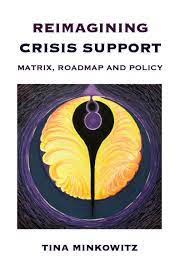
Reimagining Crisis Support: Matrix, Roadmap and Policy by Tina Minkowitz


Reimagining Crisis Support: Matrix, Roadmap and Policy

by Tina Minkowitz

About the book

Reimagining Crisis Support: Matrix, Roadmap and Policy aims to change the conversation about personal crisis from mental health discourse to one based in a social model of disability and human rights. It is available from Lilith’s Warrior Press at the website www.reimaginingcrisissupport.org.

giovedì 16 febbraio 2017

CRPD Absolute Prohibition Campaign and Course

https://www.madinamerica.com/2017/02/crpd-campaign-prohibition/

Tina Minkowitz, Esq.

https://www.madinamerica.com/2017/02/crpd-campaign-prohibition/ 


It’s been a long time since I posted on this site. Now that my LLM program is finished, I am back at CRPD (Convention on the Rights of Persons with Disabilities) absolute prohibition work full time. Two exciting developments are here to warm us up through the northern hemisphere winter.
Absolute Prohibition — Next Steps
You may remember last year’s Campaign to Support the CRPD Absolute Prohibition of Commitment and Forced Treatment. MIA provided space to promote the campaign and was a collaborating site for bloggers. We had good participation from survivors and non-survivors, from activists, researchers and lawyers, from relatives of people who died in psychiatry. Through the Campaign I was able to connect with people who hadn’t been active on these issues before in a human rights framework, and strengthened connections with long-time activists who are willing to come out in support of absolute prohibition.
People were asking about next steps as soon as the Campaign reached its conclusion, and now that is bearing fruit. Starting in December, some of us have been networking by email and in audio/video/written chats to discuss strategies and share information. If you are working for the absolute prohibition of commitment, forced treatment and substitute decision-making, or want to work for this aim, please send an email expressing interest to info@chrusp.org.
CRPD Course
For a long time I have been interested in offering a course on CRPD, to pass on my knowledge to other activists and allow more people to take up the frustrating and passionate responsibility of human rights work. Finally I have come up with a plan that is doable and it feels right to move forward.
The course will be geared to issues of greatest concern to survivors of psychiatry, and it is open to everyone who is interested. This time it is free of charge to everyone, and will always be free to survivors and to those who are unable to pay.
Materials will be posted on a dedicated website, there will be audio or video conference calls for real-time lectures and discussions, and there will be a list-serve for additional discussion.
The course will begin on March 1 and will run through June, with a change in topic every two weeks. Please see the course website for more information.

martedì 3 gennaio 2017

Question Man - L'uomo domanda - by Irit Shimrat


Eoni fa, quando avevo 25 anni, l’unica ambizione che avevo era quella di uccidermi. Nonostante fossi riuscita ad accumulare tutti i segni del successo esteriore – un lavoro, un appartamento, un compagno – ero paralizzata dalla miseria. Non riuscivo a superare il fatto che qualche anno prima ero stata psichiatrizzata quasi a morte.

Non credevo nella psicoterapia, ma, disperata, mi ero messa nelle mani di un tipo anziano e molto dolce che praticava la “programmazione neurolinguistica”. Quasi sempre cercava di farmi andare in trance, ma non ci riusciva. Una volta mi ha messo a testa in giù, prendendomi per le caviglie e usando un’imbracatura sospesa dal ramo di un albero; mi aveva assicurato che oscillare avanti e indietro dolcemente, avrebbe corretto il mio respiro e i miei problemi psicologici sarebbero miracolosamente evaporati. Un’altra volta mi aveva lasciato fumare uno spinello nel suo studio, con la sua amica infermiera che mi osservava e prendeva appunti. Ho apprezzato il tempo e gli sforzi considerevoli che ha impiegato nel tentativo di aiutarmi, però non mi hanno fatto per niente bene.

Guardando indietro, l’unica cosa che poteva aver avuto qualche senso era chiedermi:

“Come faresti a capire di stare bene?

Senza esitazione ho risposto: “Starei scrivendo.

Mi hanno insegnato a scrivere prima di iniziare la scuola. A sei anni ho sfornato libretti che trattavano di principesse, animali e tutto ciò che riguarda una bambina di sei anni.

lunedì 25 luglio 2016

La psichiatria forzata è tortura di Tina Minkowitz

foto: http://www.gyotong.org/home/


Articolo originale: http://www.madinamerica.com/2015/04/forced-psychiatry-torture/


La psichiatria forzata è tortura di Tina Minkowitz

La presente è una versione leggermente modificata del mio contributo “Articolo 15 della CRPD [Convenzione ONU sui Diritti delle Persone con Disabilità]: Il suo potenziale di porre fine all’Impunità per la Tortura in Psichiatria”, presentato durante un evento collaterale della 13^ sessione del Comitato sui Diritti delle Persone con Disabilità, il 30 marzo 2015. Sono disponibili anche un video dell’evento collaterale [Video of the side event] e materiali di altri partecipanti, che sono stati caricati sulla pagina CHRUSP Resources page. La presente stesura include, tra parentesi quadre, il materiale non contenuto nel contributo originale.

La Convenzione ONU sui Diritti delle Persone con Disabilità (CRPD) e l’Obbligo di Vietare e Prevenire la Tortura e i Maltrattamenti.

mercoledì 11 maggio 2016

Tina Minkowitz - CRPD and the obligation to prohibit and prevent torture and ill-treatment

La Convenzione ONU dei diritti delle persone con disabilità e l'obbligo di proibire e prevenire la tortura - CRPD and the obligation to prohibit and prevent torture and ill-treatment


                                            Tina Minkowitz

Introduzione di Winston Smith - 9/5/2016


Bei der 13. Sitzung des Committee on Rights of Persons with Disabilitieserläutert Tina Minkowitz vom Center for the Human Rights of Users and Survivors of Psychiatry (CHRUSP), warum psychiatrische Zwangsbehandlung Folter ist.
Auch der UN-Sonderberichterstatter über Folter, Juan E. Méndez bezeichnete auf Sitzungen der Vereinten Nationen psychiatrische Zwangsbehandlung als Folter und forderte alle Staaten, die sich völkerrechtlich zur Einhaltung der UN-Antifolterkonvention verpflichtet haben, zur sofortigen Abschaffung entsprechender Gesetze zu deren Legitimation auf.
Mehr Informationen zum Thema:

martedì 5 aprile 2016

Intervento di Tina Minkowitz all’apertura della 15ª sessione del Comitato dei Diritti delle persone con disabilità

Questa è l’informazione che ho presentato stamattina al Comitato CRPD - Convenzione dei diritti delle persone con disabilità:

Intervento di Tina Minkowitz all’apertura della 15ª sessione del Comitato dei Diritti delle persone con disabilità – come presentato: 

 https://absoluteprohibition.wordpress.com/

29 marzo 2016

Membri del Comitato, Segretariato, rispettati colleghi. Oggi vi parlo a nome del Centro per i Diritti Umani degli Utenti e Sopravvissuti alla Psichiatria (Center for the Human Rights of Users and Survivors of Psychiatry).

Presento i risultati della Campagna per manifestare il supporto della società civile, per l’assoluto divieto nel CRPD dei ricoveri e dei trattamenti sanitari obbligatori. Abbiamo chiesto ai partecipanti di contribuire con il loro sapere e la loro esperienza, nello sforzo di esortare gli Stati a porre termine alla diffusione della sofferenza, di coloro che vengono torturati medicalmente, senza un effettivo risarcimento.

Faccio un sommario delle 41 presentazioni che sono state pubblicate sul sito della Campagna. Verrà condiviso in forma elettronica tramite hyperlink, per una facile consultazione. I materiali sono pubblicati nella loro lingua originale, quindi anche in francese, tedesco, spagnolo, italiano o inglese. Poche altre presentazioni sono pervenute da parte di persone che hanno frainteso l’argomento o non sono state in grado di finire prima di ora; quella da parte di ENUSP è stata aggiunta in questo momento (vedi sotto).

Intervento di Tina Minkowitz all’apertura della 15ª sessione del Comitato dei Diritti delle persone con disabilità

Questa è l’informazione che ho presentato stamattina al Comitato CRPD - Convenzione dei diritti delle persone con disabilità:

Intervento di Tina Minkowitz all’apertura della 15ª sessione del Comitato dei Diritti delle persone con disabilità – come presentato: 

29 marzo 2016

Membri del Comitato, Segretariato, rispettati colleghi. Oggi vi parlo a nome del Centro per i Diritti Umani degli Utenti e Sopravvissuti alla Psichiatria (Center for the Human Rights of Users and Survivors of Psychiatry).

Presento i risultati della Campagna per manifestare il supporto della società civile, per l’assoluto divieto nel CRPD dei ricoveri e dei trattamenti sanitari obbligatori. Abbiamo chiesto ai partecipanti di contribuire con il loro sapere e la loro esperienza, nello sforzo di esortare gli Stati a porre termine alla diffusione della sofferenza, di coloro che vengono torturati medicalmente, senza un effettivo risarcimento.

Faccio un sommario delle 41 presentazioni che sono state pubblicate sul sito della Campagna. Verrà condiviso in forma elettronica tramite hyperlink, per una facile consultazione. I materiali sono pubblicati nella loro lingua originale, quindi anche in francese, tedesco, spagnolo, italiano o inglese. Poche altre presentazioni sono pervenute da parte di persone che hanno frainteso l’argomento o non sono state in grado di finire prima di ora; quella da parte di ENUSP è stata aggiunta in questo momento (vedi sotto).

mercoledì 30 marzo 2016

Sommario della Campagna 29 Marzo 2016 - Summary of Campaign March 29, 2016


Summary of Campaign March 29, 2016

Here is the information I presented to the CRPD Committee this morning:
Intervention by Tina Minkowitz at the opening of the 15th session of the Committee on the Rights of Persons with Disabilities – as delivered
March 29, 2016
Members of the Committee, Secretariat, respected colleagues. I speak to you today on behalf of the Center for the Human Rights of Users and Survivors of Psychiatry.
I present the results of a Campaign to demonstrate civil society support for the CRPD absolute prohibition of commitment and forced treatment. We asked participants to contribute their own knowledge and experience in the effort to persuade states to end the widespread suffering of those who are being medically tortured with no effective redress.
I will summarize the 41 submissions that are published on the Campaign website, which will be shared in electronic form with hyperlinks for easy reference. The materials are published in their original languages whether French, German, Spanish, Italian or English. A few other submissions are still coming in from people who misunderstood or were unable to finish before now, including from ENUSP (now added, see below).
The home page of the website is https://absoluteprohibition.wordpress.com. Some of the publications can also be found on collaborating blogs Mad in America, Sodis (Peru), PAIIS (Colombia), Dé-psychiatriser (France) and il cappellaio matto (Italy), and on participants’ individual blogs which are linked in their posts.
I begin with the memorials of those who died in psychiatry: M’hamed El Yagoubi writes about his wife and companion Nathalie Dale (in France). Dorrit Cato Christensen writes about her daughter Luise (in Denmark), and Olga Runciman dramatizes her anger and outrage over another death in Danish psychiatry. María Teresa Fernández speaks in honor of her brother (in Mexico), and also reflects from a moral perspective and as a person with a disability who works on the CRPD.
Survivors have a unique vantage point on degradations such as solitary confinement, restraints, injections, forced nakedness, brutality, authoritarianism, the stultifying effects of psychiatric drugs, the sheer destruction of electroshock, and sadistic psychological manipulations. How can we heal from abuse that society condones and that the law allows with impunity? For women forced psychiatry is sexualized and gendered, and should be recognized as both disability-based and gender-based violence. These writings stand as evidence of severe harm and as critique of laws and practices from the bottom up.
Jhilmil Breckenridge and Irit Shimrat evoke scenes of brutality, humiliation, and enforced subjection counterposed to the subjectivity of the survivor who is left to cope with her losses. Shimrat also looks back on a comic book hero she created as a young woman locked up on a psych ward for the first time.
Andrea Cortés describes how society seeks answers from experts, who punish people that don’t fit in, instead of learning to coexist; Katherine Tapley-Middleton relates how forced drugging caused her eyes to roll up in her head, and the nurses withheld a side-effects remedy; Roberta Gelsomino evokes frustration and anger towards those who did not help and refused to see her as a person.
Initially NO (see full original) combines political art and testimony to show how her rights under the CRPD were systematically negated by psychiatric violence; Anne Grethe Teien counters Norway’s claim that it is not violating human rights by comparing its laws and practices with the CRPD and with her own experience. Pink Belette and Agnès, both in France, attest to brutality, authoritarianism, and meaningless review procedures; Pink Belette also uses humor to rebuke psychiatric arrogance.
Connie Neil shares her journey with anger and grief over the destruction wrought by forced electroshock, and finally a possibility of forgiveness; Eveline Zenith describes and analyzes the abusive character of psychotherapy that entails re-traumatization; Corrine A. Taylor relates how she stopped psychiatric drugs in the face of a doubting psychiatrist and calls for everyone to have the same chance; Christian Discher documents the taunting of a young man for his homosexuality as part of his confinement.
Lucila López, a user and survivor of psychiatry, a mother, and a social psychologist, discusses a range of issues related to commitment and forced treatment, including iatrogenic harm, Argentina’s national mental health law, the pathologization of poverty, and the situation of young people affected by consumption of legal or illegal drugs.
Researchers, scholars, lawyers, and clinicians, among them survivors and allies, express their adherence to the Campaign and build our knowledge base.
Robert Whitaker, journalist and founder of Mad in America, and Peter C. Gøtzsche, MD, researcher with the Cochrane Institute, each make a case against forced treatment from a medical standpoint. Clinician Jose Raul Sabbagh Mancilla in Mexico unconditionally supports the absolute prohibition of commitment and forced treatment. Psychologist Paula J. Caplan, PhD discusses inherently illegitimate psychiatric diagnosis as the entry point into human rights violations.
Karlijn Roex, PhD candidate in sociology, counters the use of “danger to self or others” to justify coercive psychiatric interventions, through scientific arguments, ‘user’ narratives, and moral principles. Anne-Laure Donskoy, survivor researcher, highlights the adoption of coercive mental health methods to enforce work requirements on benefits recipients in the UK.
Linda Steele, lecturer in law, characterizes commitment and forced treatment as disability-specific forms of violence condoned by domestic law and thus not amenable to legal recourse. Lawyer Francisca Figueroa notes the tension between the CRPD absolute prohibition and Chilean laws and practices condoning forced treatment. Documenta shared videos from its campaign against the system of inimputabilidad and security measures in Mexico, including a complaint under the CRPD Optional Protocol.
Bonnie Burstow, scholar and activist who advocates abolition of psychiatry itself, welcomes the Guidelines on Article 14 which clarify the absolute prohibition on forced treatment. Sarah Knutson makes the case for 100% voluntary treatment as an ex-lawyer, ex-therapist survivor activist, and presents an alternative approach to conflict and crisis.
Organizations and activists shared their advocacy and calls for action related to the absolute prohibition.
Added: European Network of (ex-) Users and Survivors of Psychiatry (ENUSP) counters the positions of the Human Rights Committee and the Subcommittee on Prevention of Torture in conflict with the CRPD and argues for real development of mental health care starting from the premise that forced psychiatric interventions must be banned.
Added: Fiona Walsh, survivor and human rights defender, reports on Ireland’s enactment of CRPD-noncompliant capacity and mental health legislation.
Erveda Sansi explains how Italian law still permits commitment and forced treatment in civil and forensic institutions. il cappellaio matto shares an interview with Dr Giorgio Antonucci on his work to abolish forced treatment in the 1960s that remained incomplete.
Coalition Against Psychiatric Assault created a video and petition calling on the Canadian government to withdraw its reservation that perpetuates compulsory treatment. Die-BPE of Berlin details the law and practice in Germany that allows substitute decision-making on the basis of a “lack of insight” standard, which violates the CRPD.
Asociación Azul calls for sweeping changes to allow people to be free and enjoy the same rights as others in their communities; survivor activist Don Weitz calls for class action suits and criminalization of forced psychiatric treatments and involuntary commitals; Jules Malleus shares a view of psychiatry as a destructive machine, utilizing images from dystopian films to make the point; Ana María Sánchez calls for creative public policies beyond the elimination of commitment and forced treatment.
******
This concludes the summary of materials that constitute the Campaign. I hope it will strengthen our common motivation and determination to put an end to medicalized torture and insist on consistency among all human rights mechanisms global regional and national to ensure no person remains in a situation of commitment and forced treatment in violation of the Convention. We need to not allow this issue to be left behind in the SDG monitoring, in work on the rights of women and girls with disabilities, in the COSP, or in any other CRPD implementation. It is a huge task for all of us, and survivors and victims remind us of why it cannot be forgotten.
The Campaign will have a second phase, both to reach out again to regions that remained unrepresented, and to pursue common interests that emerge in the materials. For those who are interested I will plan to schedule public discussions via Skype or web conferencing within the next few months, and I can be contacted through the Campaign website absoluteprohibition.wordpress.com and also on Facebook and Twitter as Tina Minkowitz and also on the official CHRUSP page.
Thank you.

mercoledì 23 marzo 2016

Campagna per il divieto assoluto del TSO - Testimonianza di Agnès

Le témoignage d’Agnès: traitements dégradants, traitements forcés en France.

21/03/2016

En violation de l’article 16 de l’ONU, les personnes présentant un handicap psychiques subissent des traitement dégradants qui bafouent  toute dignité humaine.
Voici mon témoignage :
J’ai été hospitalisée 2 fois dernièrement à l’hôpital psychiatrique relevant de mon département
En juin, il m’ont placée dans une chambre d’isolation et m’ont attachée pendant 2 jours. J’étais allée aux toilettes le dimanche à midi et j’ai été hospitalisée vers 17heures. Le lendemain toujours attachée, j’ai crié que j’avais envie de faire pipi. Ne voyant personne venir, j’ai fini à bout par uriner dans mon lit. Des infirmiers sont venus. Ils m’ont déshabillée de force et m’ont écarté les jambes pour me placer une couche pour incontinents. Ils m’ont arraché la veste de pyjama et essayé d’ôter mon soutien-gorge, le tout avec une violence inouïe.Aujourd’hui encore j’ai un profond sentiment de honte tant je  ressens cet acte comme un viol de mon intimité. En y pensant ma gorge se noue et mon estomac se serre.
La 2éme fois en septembre cette fois, j’ai été placée en chambre d’isolement. Elle était pourvue de toilettes verrouillées de l’extérieur ce qui vous contraint à aller uriner dans un seau hygiénique sous “l’œil bienveillant” d’une caméra de vidéo-surveillance. Enfermée ainsi pendant 3 jours et 4 nuits, vous perdez la notion jour et nuit. Quand, vous sortez enfin, vous voilà docile comme un mouton prêt à quémander ou presque les médicaments que ‘l’on vous a prescrits et que l’on vous donne à heure fixe 3 fois par jour.

martedì 15 marzo 2016

Workfare coercion in the UK: an assault on persons with disabilities and their human rights - Anne-Laure Donskoy Survivor researcher, UK

Workfare coercion in the UK: an assault on persons with disabilities and their human rights -

https://absoluteprohibition.wordpress.com/2016/03/21/anne-laure-donskoy-on-workfare-coercion-in-uk/ 

di Anne-Laure Donskoy

Anne-Laure Donskoy_Survivor researcher, UK
12067142_10153490835343527_664282852_n
While there is a lot of focus on coercion organised and implemented in psychiatry, less attention is being paid to state engineered welfare measures based on libertarian paternalism1, which have coercive practices at their core. Among them are policies that strongly support behavioural change using positive psychology and cognitive behavioural therapy. Freidli and Stearn (2015)2 call this “psychocompulsion”. These policies and measures are increasingly used to ambush and coerce persons with disabilities and the long term sick into adopting new ways of being and living conditions under the constant threat of sanctions and which have driven many to attempt to their lives. This paper builds on the work of Friedli and Stearn3 as an attempt to highlight current coercive welfare policies, including forcing ‘therapy’ on individuals, as human rights violation of the CRPD.

Il trattamento sanitario unicamente (al 100%) su base volontaria di Sarah Knutson

Sarah Knutson

Il trattamento sanitario unicamente (al 100%) su base volontaria

https://absoluteprohibition.wordpress.com/2016/02/19/sarah-knutson-rethinking-public-safety-the-case-for-100-voluntary/ 

e originariamente apparso su: http://www.madinamerica.com/2016/02/rethinking-public-safety-the-case-for-100-voluntary/ 


Chiedamo di cessare gli interventi psichiatrici non volontari.
Si tratta di questioni complesse sulle quali si discute da tempo ed esistono opinioni  contrastanti.  Nel 2006, sono intervenute le Nazioni Unite le quali  hanno approvato la Convenzione sui diritti delle persone con disabilità (CRPD) che vieta la detenzione involontaria e gli interventi coercitivi, effettuati in base a disabilità psicosociali. Sono considerati atti discriminatori che violano il diritto alla parità di tutela. Ai sensi della CRPD, le persone con disabilità psicosociali hanno pari diritto a libertà, autonomia, dignità, consenso informato, autodeterminazione e diritto alla sicurezza personale che dei propri beni.

Poco tempo dopo, anche il trattamento sanitario obbligatorio è stato ritenuto una misura che viola la “Convenzione Contro la Tortura”: i governi dovrebbero bandire totalmente tutti gli interventi sanitari obbligatori e non consensuali effettuati sulle persone con disabilità, tra cui  psicochirurgia, elettroshock e  somministrazione di farmaci che alterano la mente, sia nel breve che nel lungo periodo. L'obbligo di porre termine ai trattamenti psichiatrici obbligatori, imposti sulla base di uno status di disabilità, entra in vigore immediatamente e il rinvio di tale misura non sarà giustificato da scarse risorse finanziarie.

giovedì 10 marzo 2016

Linee guida sull’applicazione dell’articolo 14 della Convenzione sui diritti delle persone con disabilità CRPD - Campaign no Forced Psychiatry

                                     https://absoluteprohibition.wordpress.com

                   in inglese Guidelines on Article 14)                                        https://absoluteprohibition.wordpress.com/2016/01/

 https://absoluteprohibition.wordpress.com

       Comitato sui diritti delle persone con disabilità

Linee guida sull’applicazione dell’articolo 14 della Convenzione sui diritti delle persone con disabilità

Il diritto alla libertà e alla sicurezza delle persone con disabilità

Adottato durante la 14ª sessione del Comitato, tenutasi a settembre del 2015


I. Introduzione

1. Dal momento che il Comitato sui diritti delle persone con disabilità (da qui in poi: il Comitato) ha adottato una dichiarazione sull'articolo 14 della Convenzione delle Nazioni Unite sui diritti delle persone con disabilità (da qui in poi: la Convenzione), nel mese di settembre 2014, (CRPD/C/12/2, allegato IV), alcuni organismi delle Nazioni Unite, così come i processi intergovernativi, hanno sviluppato linee guida per il diritto alla libertà, alla sicurezza e al trattamento dei detenuti, che fanno riferimento anche alla privazione della libertà delle persone con disabilità. Alcuni organismi regionali hanno inoltre previsto l’adozione di strumenti vincolanti supplementari, che consentirebbero l’internamento involontario e il trattamento sanitario obbligatorio di persone con disabilità intellettive e psicosociali. D’altra parte, il Comitato ha ulteriormente sviluppato la sua comprensione dell’articolo 14, mentre è impegnato in un dialogo costruttivo con diversi Stati Parti della Convenzione.

Linee guida sull’applicazione dell’articolo 14 della Convenzione sui diritti delle persone con disabilità CRPD - Campaign no Forced Psychiatry


       Comitato sui diritti delle persone con disabilità

Linee guida sull’applicazione dell’articolo 14 della Convenzione sui diritti delle persone con disabilità

Il diritto alla libertà e alla sicurezza delle persone con disabilità

Adottato durante la 14ª sessione del Comitato, tenutasi a settembre del 2015


I. Introduzione


1. Dal momento che il Comitato sui diritti delle persone con disabilità (da qui in poi: il Comitato) ha adottato una dichiarazione sull'articolo 14 della Convenzione delle Nazioni Unite sui diritti delle persone con disabilità (da qui in poi: la Convenzione), nel mese di settembre 2014, (CRPD/C/12/2, allegato IV), alcuni organismi delle Nazioni Unite, così come gli iter intergovernativi, hanno sviluppato linee guida per il diritto alla libertà, alla sicurezza e al trattamento dei detenuti, che fanno riferimento alla privazione della libertà delle persone con disabilità. Alcuni organismi regionali hanno inoltre previsto l’adozione di strumenti vincolanti supplementari, in modo da consentire l’internamento involontario e il trattamento sanitario obbligatorio di persone con disabilità intellettive e psicosociali. D’altra parte, il Comitato, mentre è impegnato in un dialogo costruttivo con diversi Stati Parte della Convenzione, ha ulteriormente sviluppato la propria concezione sull’articolo 14.

venerdì 6 settembre 2013

We Name It as Torture - La chiamiamo tortura - by Tina Minkowitz


Tina Minkowitz


June 26, 2013

We Name It as Torture by Tina Minkowitz

To respond to controversy and resistance developing in response to the recommendation of Special Rapporteur on Torture Juan E. Méndez for an absolute ban on nonconsensual psychiatric interventions, I suggested to use June 26, the International Day in Solidarity with Victims of Torture, to raise awareness and support for the recommendations.  What started out way more ambitious became a relatively informal call put out over email lists, Facebook and with the help of the Mad In America website, to MIA bloggers.  I